
On this page
The most common regret we hear about outdoor structures is not the wood, the stain or the builder. It is the type. Somebody wanted shade, built a pergola, and found out in July that an open roof does not make shade at two in the afternoon. Somebody else built a patio cover and found their living room went dark.
None of that is a defect. It is three structures doing exactly what they are designed to do. Here is how they differ, so you can pick the right one before anybody draws it.
The short answer
- Pergola: open rafters, partial shade, no rain cover. Defines an outdoor room and looks beautiful. Not a sun shelter on its own.
- Patio cover: solid roof attached to the house. Full shade and rain cover right outside the back door.
- Pavilion: solid roof, freestanding, out in the yard. Full shade and rain cover wherever you want to be: the pool, the fire pit, the view.
Pergola: filtered shade, open to the sky
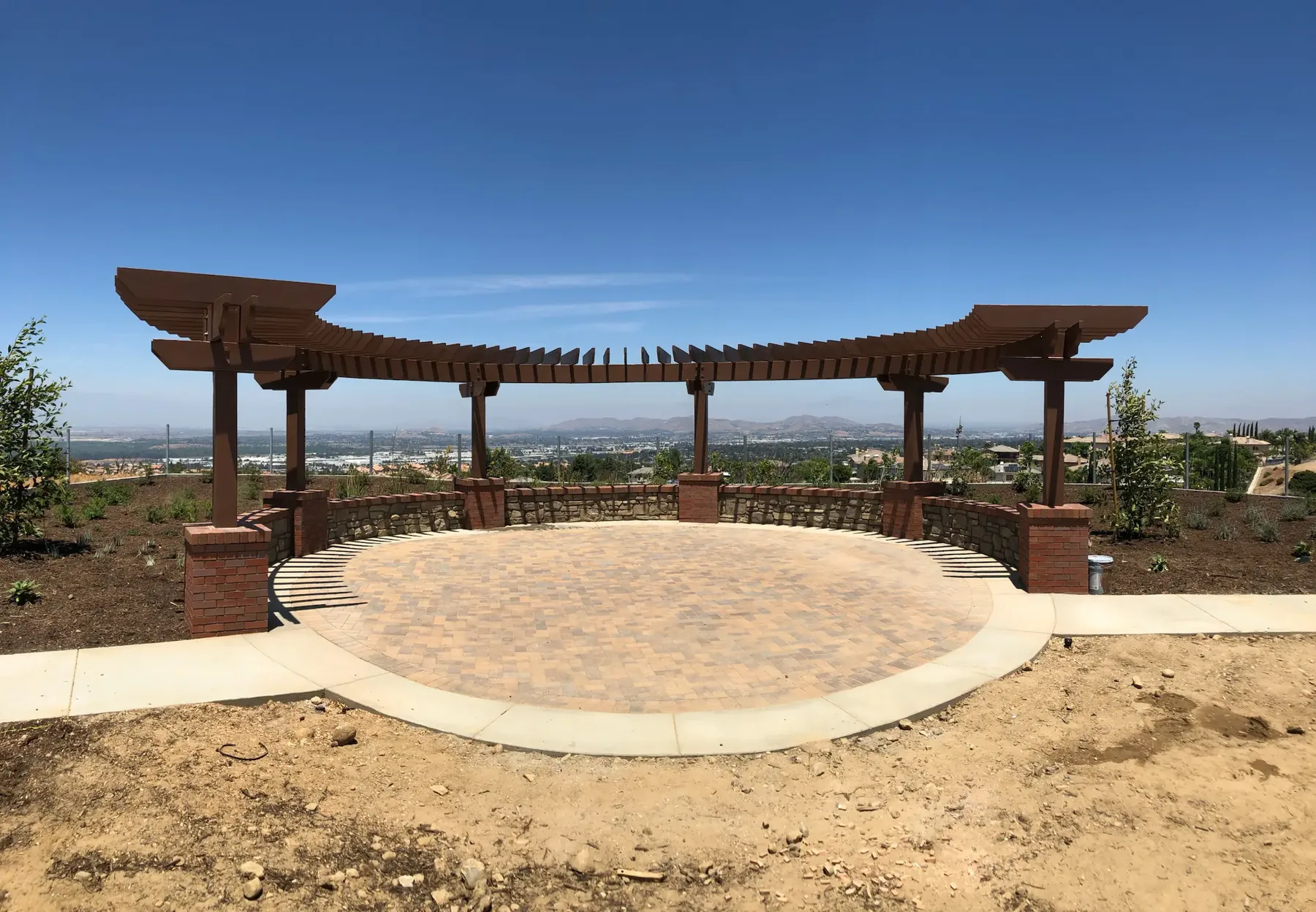
A pergola is posts, beams and an open grid of rafters. Light comes through. How much depends on three design choices: how far apart the rafters are, how deep they are, and which way they run relative to the sun.
Set well, those choices put shade where you sit during the hours you actually use the space. Set by default, you get stripes of direct sun across the table. That is why every pergola we design starts with where the sun will be, not with a stock rafter spacing.
A pergola is the right answer when you want an outdoor room with real presence, you are mostly out there in the morning or evening, and you are happy to add shade with vines, a shade sail or a retractable canopy later.
Patio cover: full shade, right off the back door
A patio cover is a solid roof tied into the house. Done properly, it is framed into the existing roof structure and matches the roofline and shingle, so it looks like it was always there.
It gives full shade and full rain cover exactly where most people spend their outdoor time: the first twenty feet outside the back door. The trade-off is light. A solid roof over a patio also shades the windows behind it, so rooms that face that patio get darker. It is worth standing inside and picturing that before you commit, and it is one reason ceiling height and roof pitch matter so much on a cover.
A patio cover is the right answer when the space you use is next to the house and you want it usable at midday and in the rain.
Pavilion: a destination in the yard
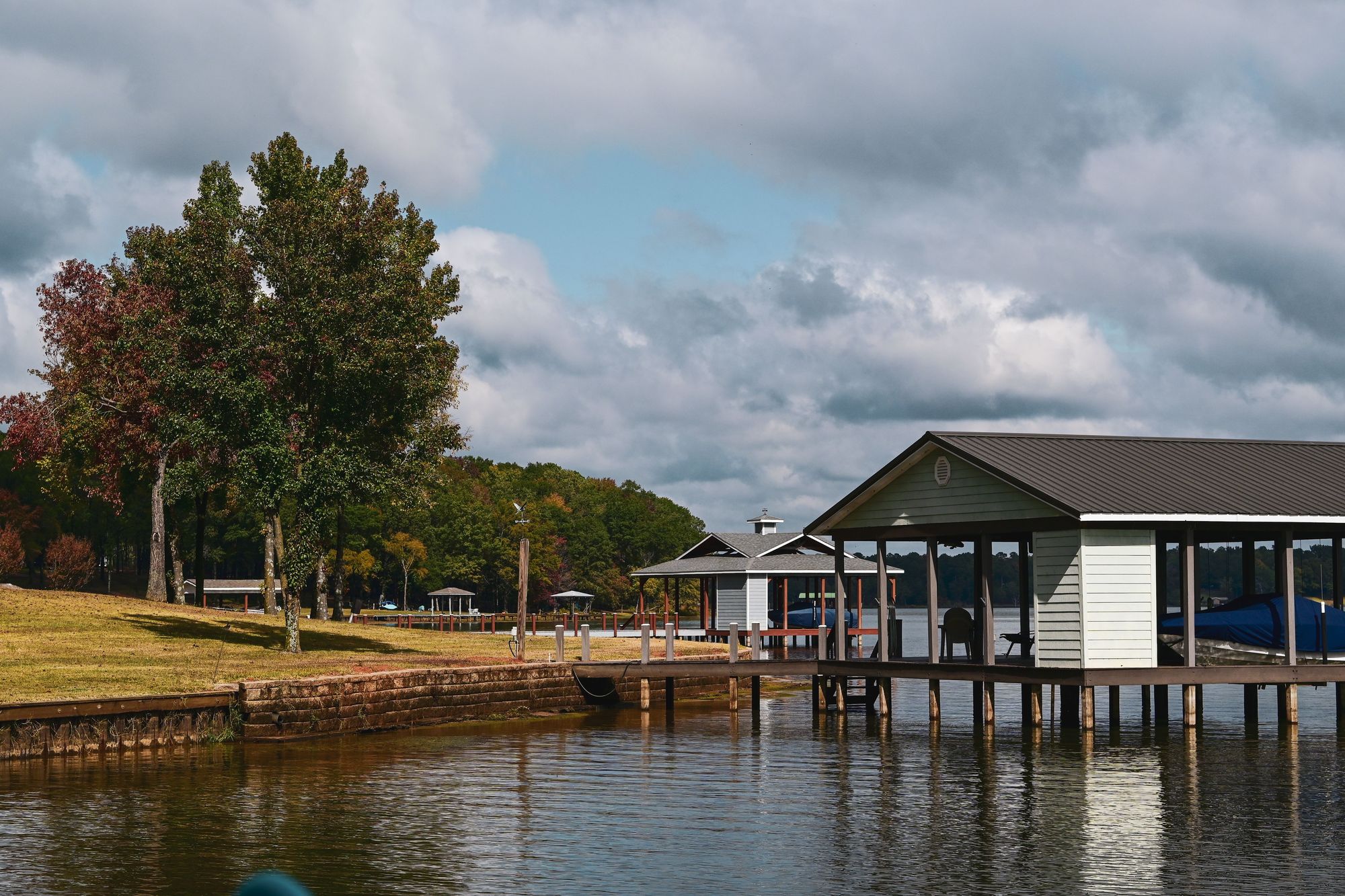
A pavilion is a freestanding structure with a solid roof, usually gabled or hipped. It stands on its own footings out in the yard, which means you can put it where the reason to be outside actually is: beside the pool, over an outdoor kitchen, at the edge of a view.
It is also the structure most people are picturing when they say “pergola”. Heavy timber posts, a pitched roof, a cedar tongue-and-groove ceiling underneath, maybe a fan and lights. Because it is not attached to the house, it does not darken any rooms, and it can be as tall and open as the site allows.
A pavilion is the right answer when the place you want to spend time is not the back door, or when you want the structure itself to be the feature of the yard.
Side by side
| Pergola | Patio cover | Pavilion | |
|---|---|---|---|
| Roof | Open rafters | Solid, attached | Solid, freestanding |
| Midday shade | Partial | Full | Full |
| Rain cover | No | Yes | Yes |
| Where it goes | Anywhere | Against the house | Anywhere |
| Darkens the house | Slightly | Yes, rooms behind it | No |
| Relative cost | Lowest | Middle | Highest |
What each one means at permit time
Permit rules are set city by city, and they are not the same across DFW. In Dallas, for example, patio covers under 200 square feet are exempt from a permit unless they sit in a front or side yard setback, while a freestanding pavilion is treated as a building. A solid roof also adds wind load, and long spans or tall posts can bring a request for stamped engineering.
We cover the city-by-city detail in our guide to DFW deck and patio cover permits. The practical point: a solid roof usually means more paperwork than an open one, so it belongs in the plan from the start rather than as a surprise after you sign. When a job needs a permit, we pull it as part of the job.
Two questions that usually decide it
- Which hours of the day do you actually want to be out there? Mornings and evenings, a pergola can be enough. Midday in summer, you need a solid roof.
- How far from the house do you want to be? Right outside the door points to a patio cover. Out by the pool, the fire pit or the view points to a pavilion.
Answer those two and the decision usually makes itself. If you are still torn, we will walk the yard with you, look at where the sun falls, and tell you straight which one you will use.