Step 01
Site visit and sample
On site, with stock in hand. This material is chosen by looking at it, not from a catalog, and the light in your room changes what a board looks like. If we are matching existing beams, we match them in that light.
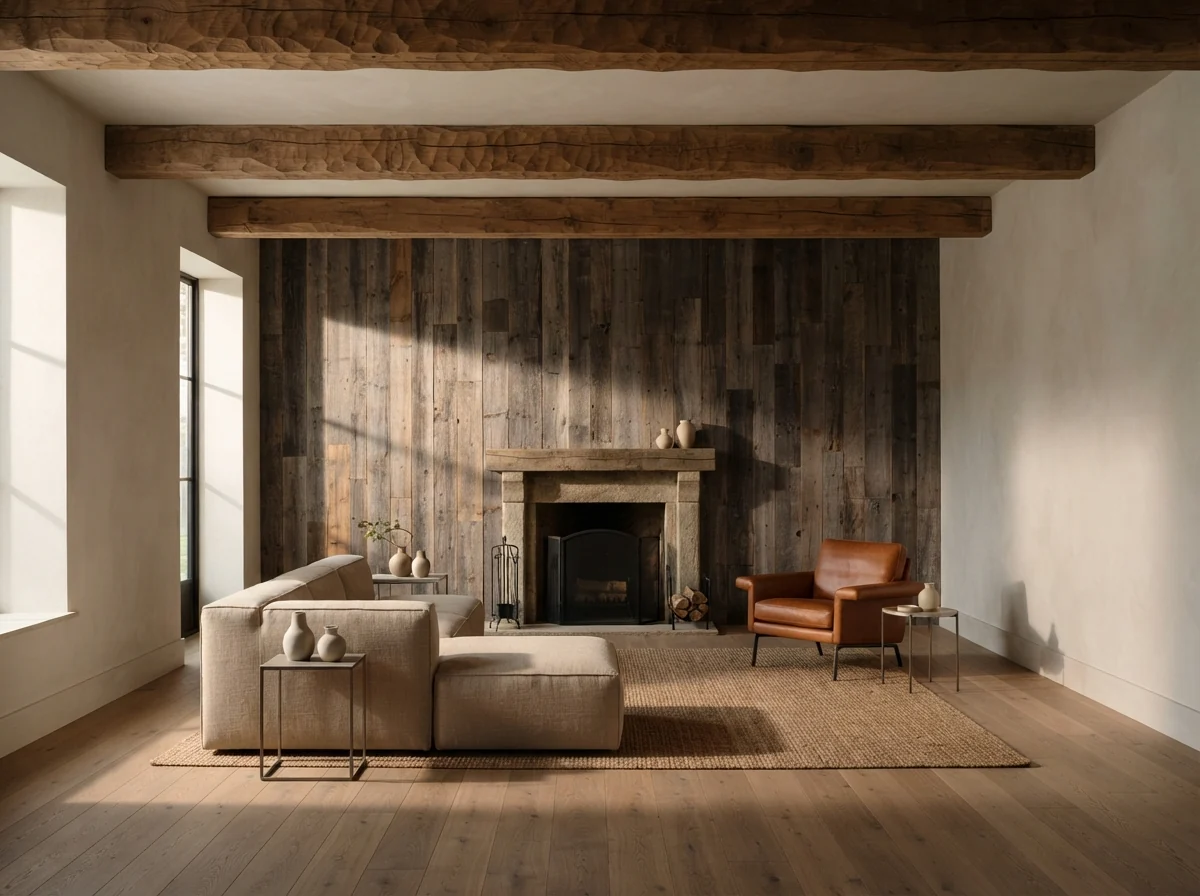
Genuine salvage, or new timber aged by hand. Two ways to get a hundred years of character into a room. Find wood that already has it, or put it there ourselves — by hand, on new timber, to match what is already in the house.
We offer genuine reclaimed barn wood, salvaged timber and like materials for accent walls, ceilings, exposed beams, mantels, doors and exterior siding. Each piece is selected for its natural weathering, distinctive grain and time-worn appearance, giving a finished look that new material cannot usually reproduce. And where salvage will not do it, we age new wood by hand — adze, chisel and the rest of the old tools — to make the same connection to the past.
Genuine reclaimed barn wood is worth what it costs. Century-old oak and pine were cut from slow-grown timber that no longer exists at that quality, the grain is tighter than anything milled today, and the surface carries saw, weather and adze marks accumulated over a hundred years of use. Each board is chosen for its weathering and its wear, which is why a salvaged wall carries a real connection to the building it came from.
Supply is the catch. There are only so many barns of that age left standing, and availability rather than price is usually what limits a large job. Species, width and length all vary by which barn the stock came out of.
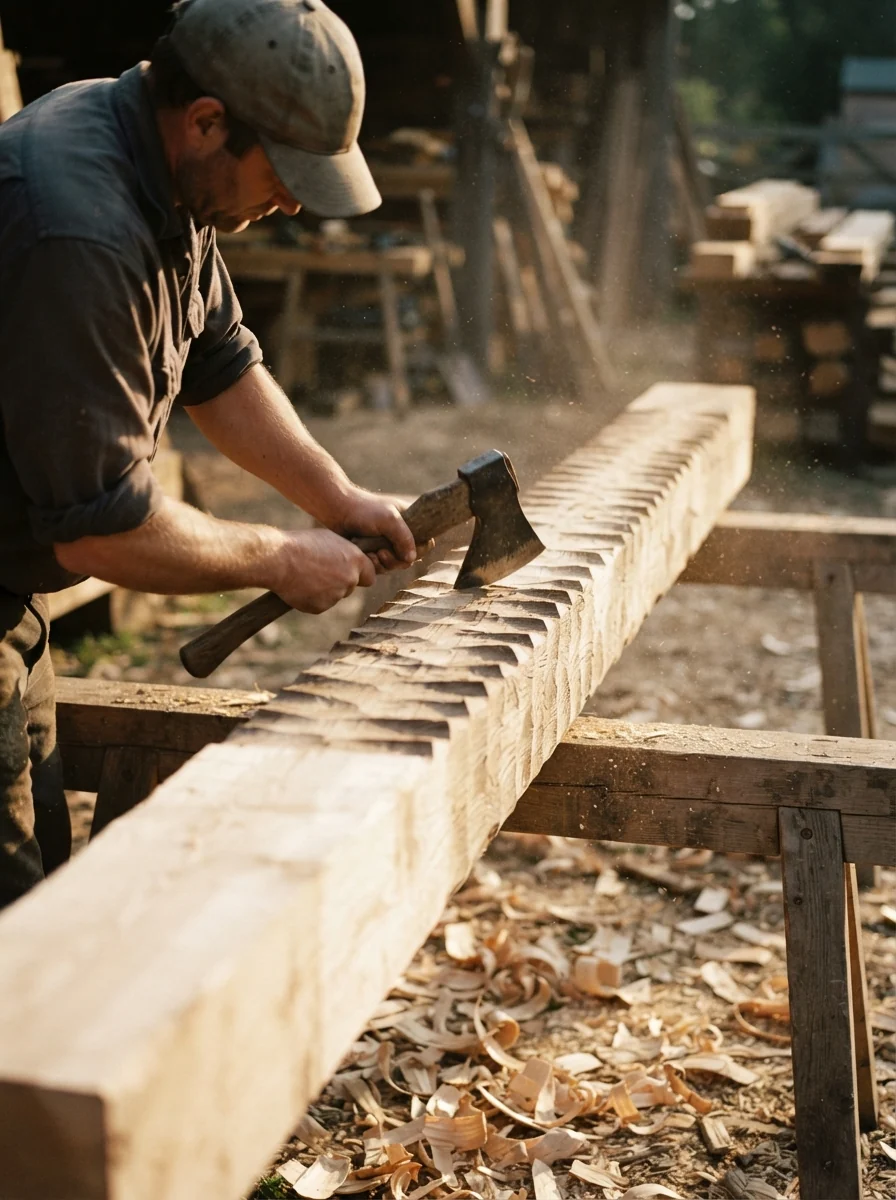
So the second route matters just as much. We take new heavy timber and age it by hand — beams, posts, mantels, whether they are stock we supply, timber you have already bought, or members that are already installed and standing in the room. Hewing, texture, color and wear are worked into the wood rather than sprayed onto it, and matched to whatever is already in the house.
That is the honest answer for most large jobs: real salvage where the character has to be genuine and the quantity is small, aged new timber where the spans, the sizes or the volume make salvage impractical. Often both in the same room.
Salvaged stock takes more handling either way. It comes out of a building that stood outdoors for a century, so it carries embedded nails and fencing staples. Every board is metal-detected, de-nailed, dried and then acclimated in your space, so it has finished moving before it is fixed in place.
The most common request and the one most often done badly. Layout, board width variation and how the run terminates at the corner are what separate a feature wall from a pile of old boards on drywall.
Exposed hand-hewn beams, or hollow box beams wrapped in reclaimed stock where the structure will not carry real timber. From below, correctly done, they are indistinguishable.
A single hewn beam over a fireplace, floating shelves, or a slab top. Small quantities where the character of one piece carries the whole room.
Sliding doors on real track, cabinet faces, vanities and built-ins. Reclaimed stock used as joinery rather than as decoration.
Weathered siding on the outside of the building, which is where it came from. It wants a different specification than interior stock and a realistic conversation about how it ages here.
Hand-worked texture, hewing and color applied to new heavy timber — ours, yours, or members already installed and standing. Matched to existing beams in the room rather than to a catalog finish.
Entry doors, interior doors and sliding barn doors built from salvaged stock or from new timber finished to match. Built as joinery, not assembled from a kit.
The kinds of structure this page describes, and the detail that goes into them.
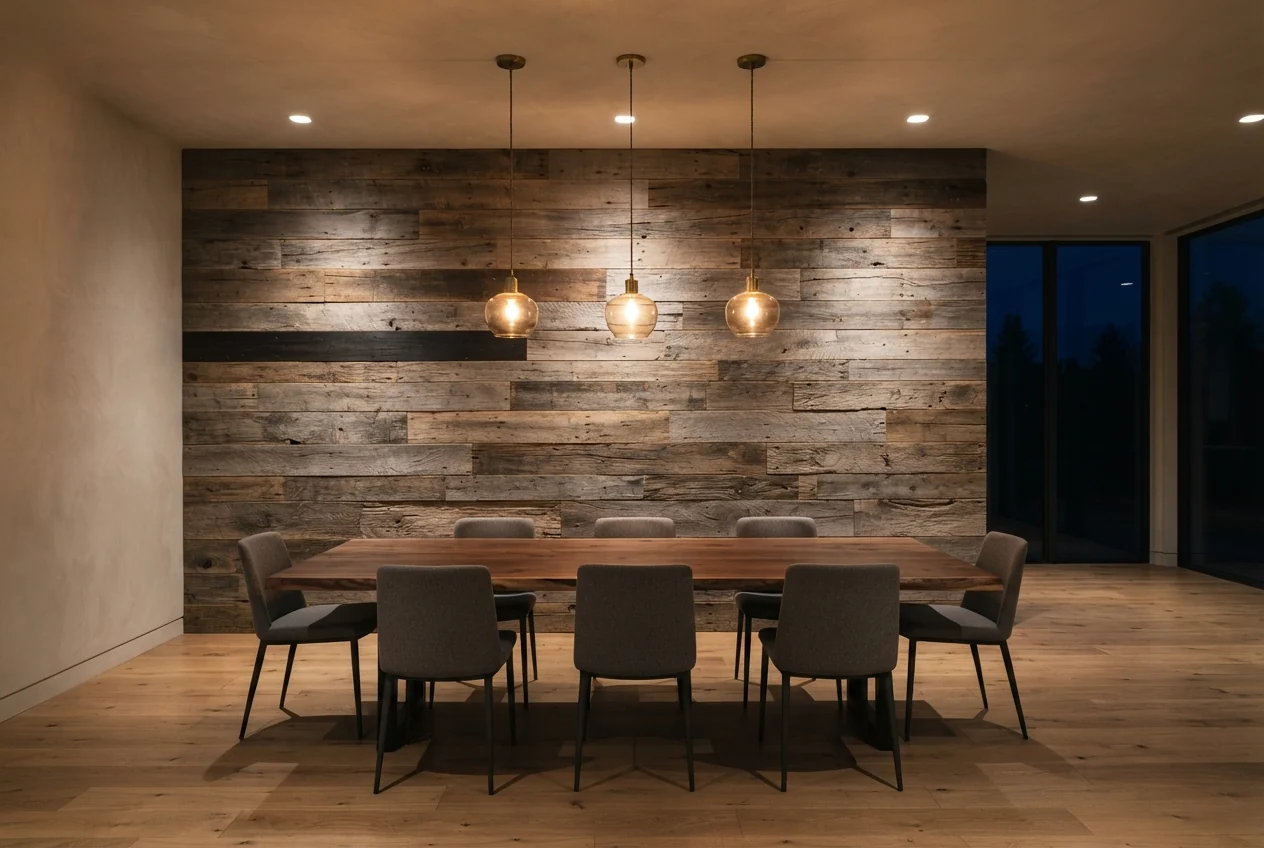
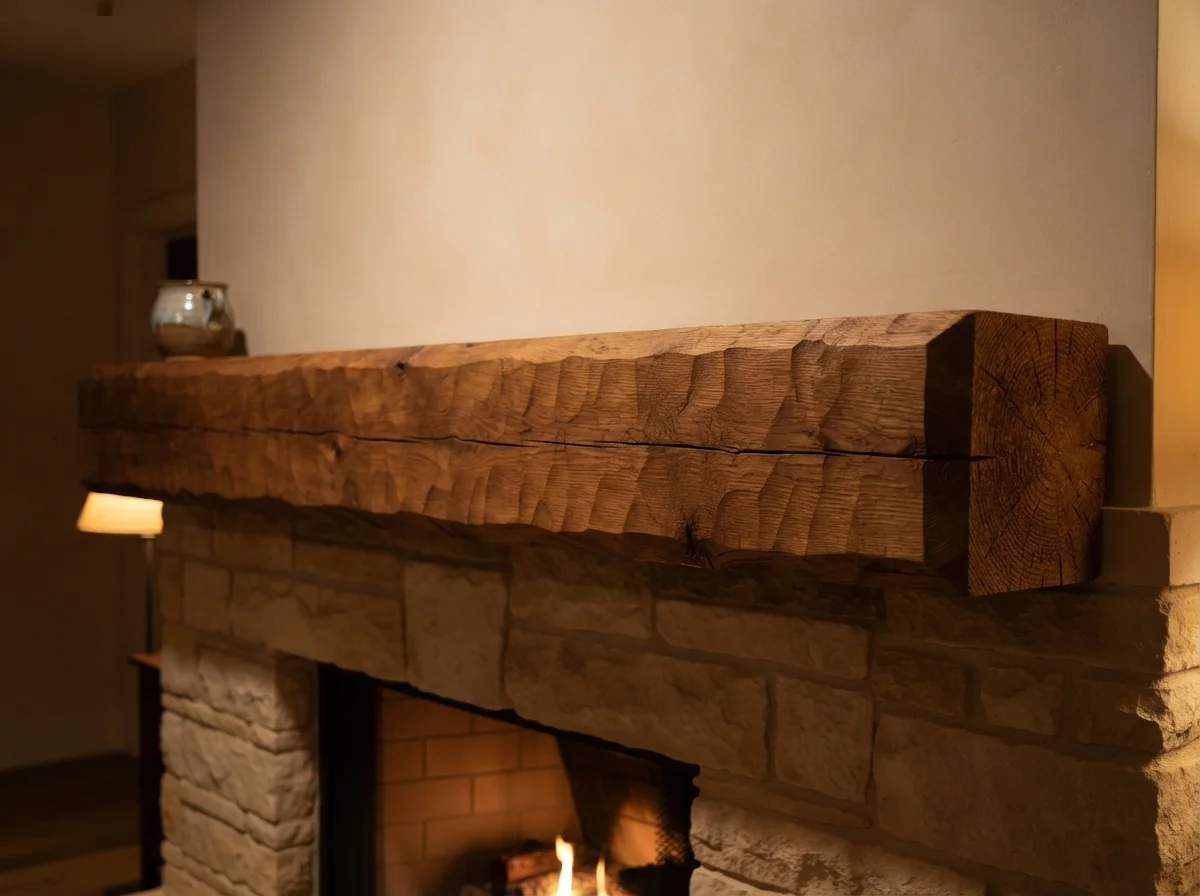
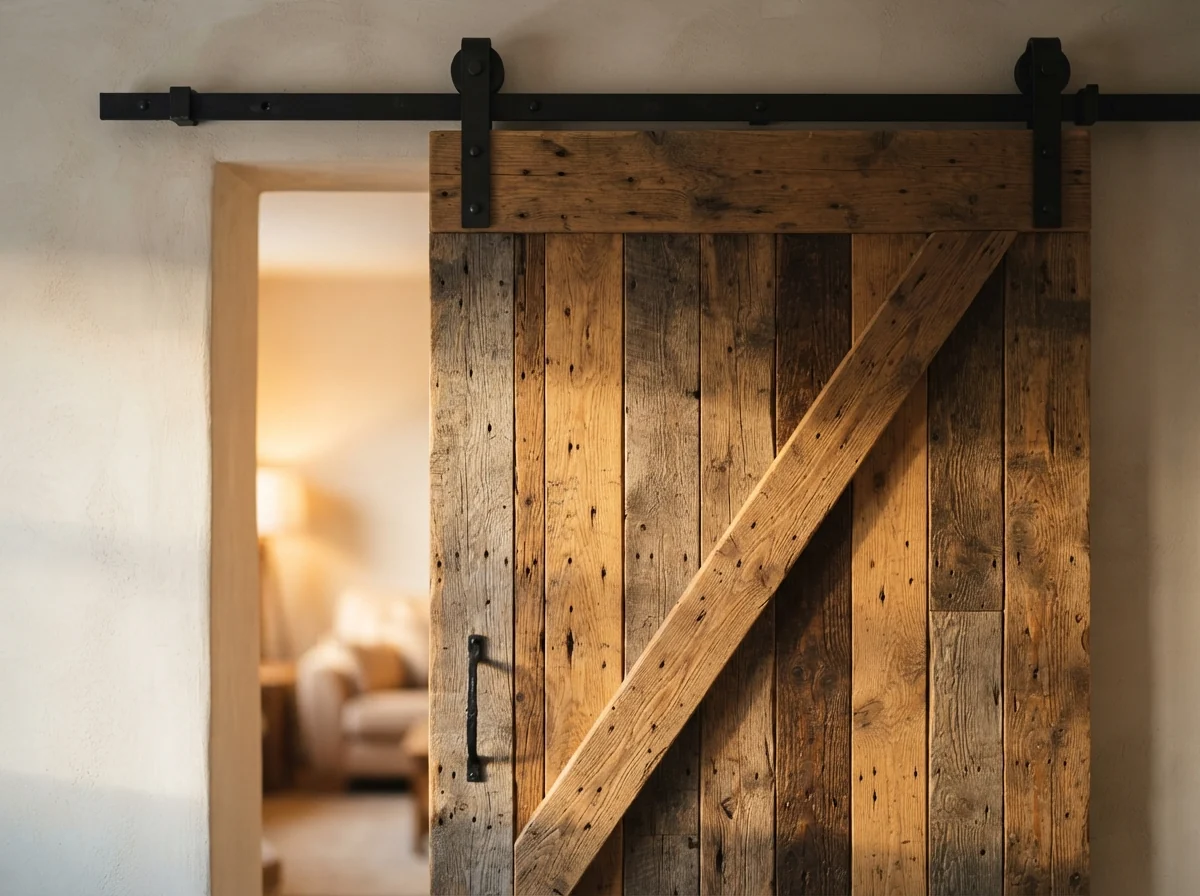
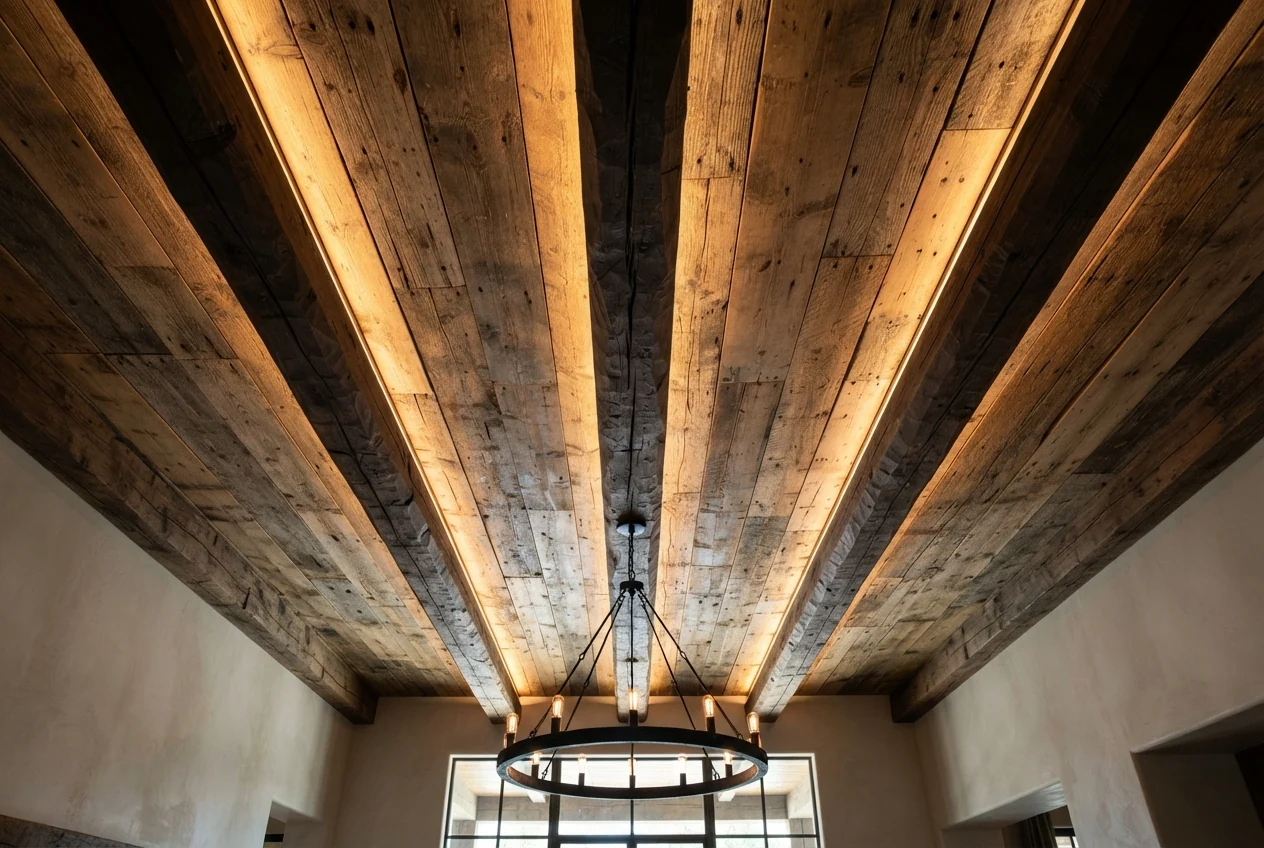
Reclaimed stock is not a single material. Where it came from in the barn decides what it is good for.
| Material | What to know | Relative cost |
|---|---|---|
| Hand-hewn beams | Squared with an axe and adze rather than sawn, so every face carries tool marks. The most characterful stock there is, and the most limited in supply. Mantels, exposed beams and feature posts. | High |
| Weathered gray siding | The exterior boards, silvered by a century of sun. Nothing reproduces this color. Thin, often cupped, and best used as cladding rather than anywhere it has to be flat. | Mid–High |
| Oak and pine threshing planks | Wide floor stock from the barn deck. Thick, dense, often with wear patterns worth keeping. Good for tops, treads, shelving and doors. | Mid–High |
| Resawn barn oak | Salvaged timber milled down to consistent dimensions. Keeps the color and grain of old growth with the workability of dimensioned lumber. The practical choice for cabinetry and larger runs. | Mid |
Relative cost compares options against each other, not against a fixed price. Your quote gives real numbers for your project, with each option priced side by side.
We are a fully insured reclaimed barn wood contractor working out of Mineral Wells and across the corridor east into the Dallas–Fort Worth metroplex. The person who quotes your project is the person who runs it.
What separates the work is what happens before the pretty part: footings sized for the soil on your lot, permits pulled by us rather than handed back to you, and a fixed price that does not move once the job starts.
We work out of Mineral Wells and cover the corridor east through Weatherford and Fort Worth into the Dallas–Fort Worth metroplex, plus the lakes across North Texas.
It is the right question to ask about any salvaged material, and worth putting to whoever is quoting you. Powderpost beetles and other wood borers can live in old hardwood for years. Treatment methods differ and they are not equivalent — kiln heat, for instance, is effective but hard on the wood, and on large sections it causes checking and warping that defeats the point of using timber that size. Ask what has been done to the specific stock you are buying, and ask to see it before it goes up.
Per board foot, usually yes, and there is more waste. What you are paying for is old-growth timber that is no longer harvested and the extra handling salvaged stock needs before it can go indoors. For a feature wall or a mantel the quantities are small enough that the premium is manageable. For a whole house it is a real budget decision — and that is often where aging new timber makes more sense: the same look, in sizes we can actually source, without hunting for another barn.
Yes, and it is where it came from. Exterior use wants different stock than interior work — thicker, sounder material with the checking and cupping assessed for weather exposure rather than looks. Expect it to keep weathering. If you want it to hold the color it has the day it goes up, reclaimed siding is the wrong choice and we will tell you so.
We treat any painted salvaged stock as suspect until it is established otherwise. Pre-1978 paint can contain lead, and sanding or cutting it is where the risk actually is. Painted reclaimed boards can be beautiful, and they need handling and a disclosure conversation rather than a shrug.
Not if it has been dried and acclimated properly. Barn wood coming out of an unconditioned building is nowhere near the moisture content of an air-conditioned house, and installing it wet is how gaps open over the first winter. The fix is unglamorous: bring the moisture content down, let the material sit in the room it is going into until it has stopped moving, and only then fix it in place.
Usually, and this is where working new timber by hand earns its keep. Salvaged stock varies by species, by barn and by which part of the building it came from, so finding a match in salvage alone is largely luck. Working texture and color into new timber to sit against what is already in the room is a controlled process instead. Bring us a sample or a daylight photo and we will tell you honestly how close we can get.
Dismantled barns and agricultural buildings, largely from Texas and the surrounding states. Supply is genuinely finite — there are only so many barns of that age left standing — which is why availability, not price, is usually what constrains a large job.
Yes, and it is a large part of this work. We hew, texture and color new heavy timber by hand so it reads as vintage — on stock we supply, on timber you have already bought, or on beams and posts already installed and standing in the room. It is the practical answer when the spans, the sizes or the sheer volume put genuine salvage out of reach, and it can be matched to beams already in the house in a way that hunting for salvage cannot.
Yes — entry doors, interior doors and sliding barn doors, in salvaged stock or in new timber finished to match the rest of the room. They are built as joinery rather than assembled from a kit, which is what lets them match millwork that is already there.
Tell us what you're picturing. We'll come measure, talk through materials, and put a real number on it. No charge, no pressure.
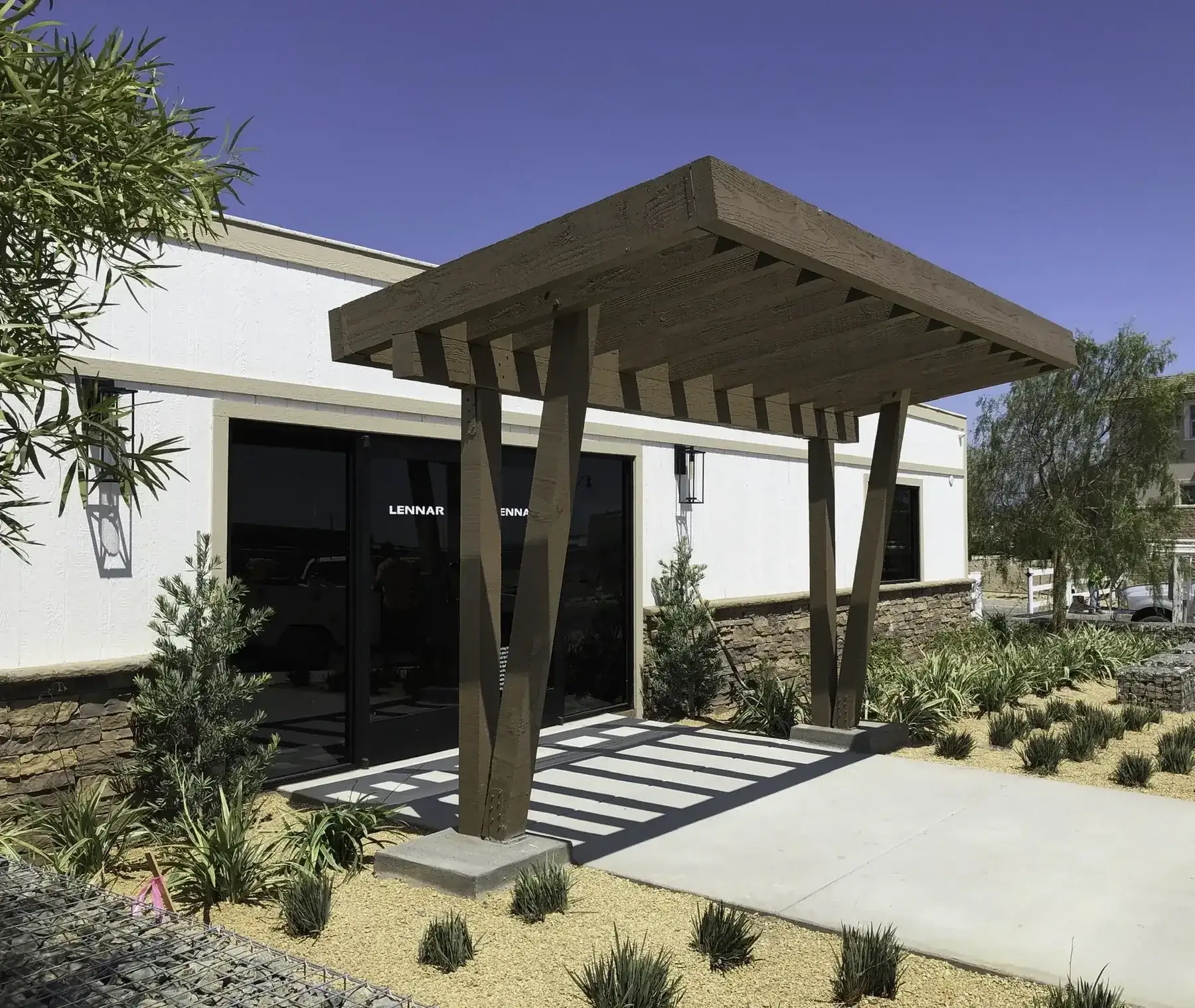
Heavy timber framing, long-span pavilions, entry structures and barndominium build-outs.
Explore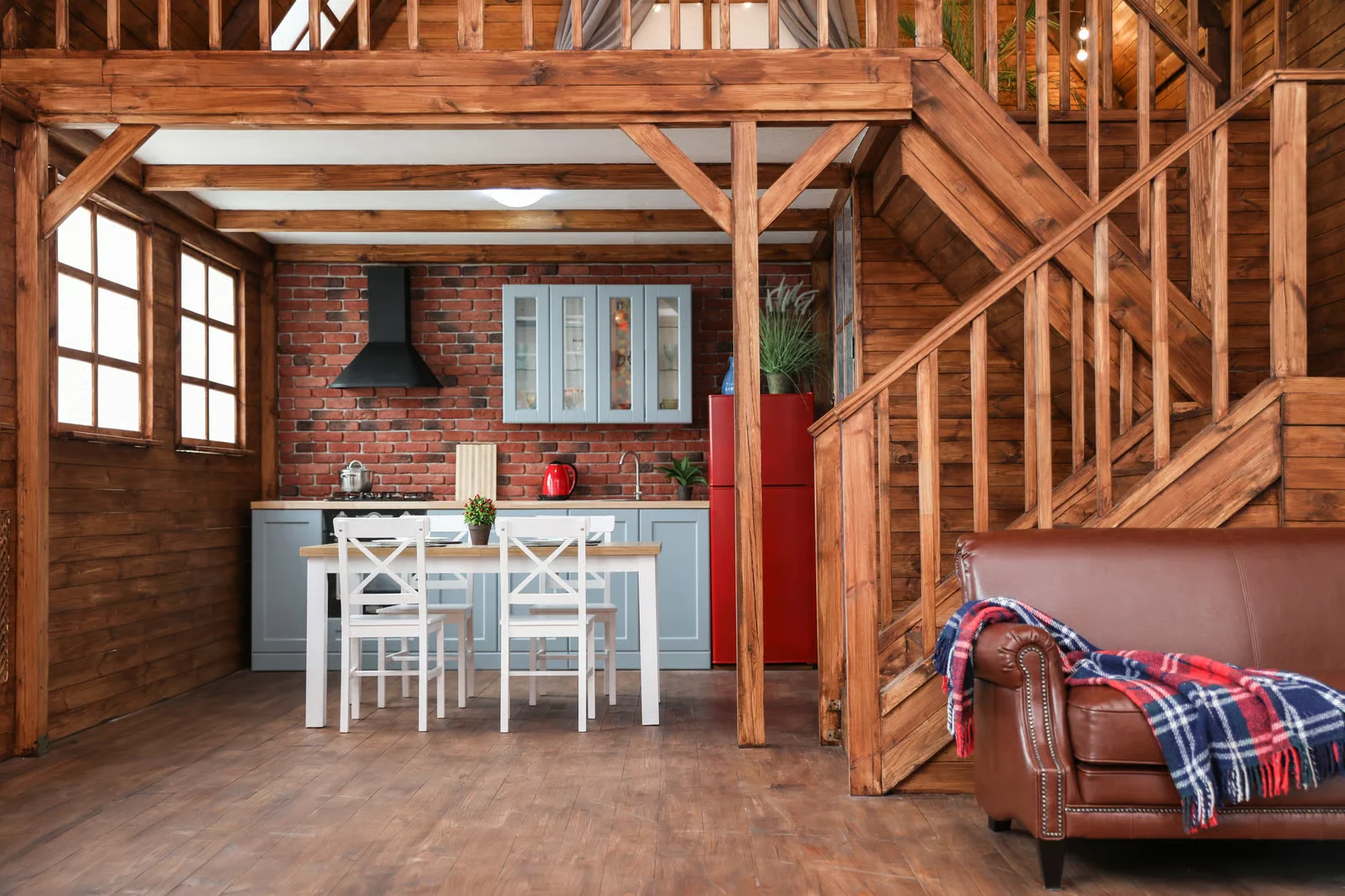
Interior build-outs for metal buildings — timber frames, vaulted ceilings, stairs, fireplaces and cabinetry.
Explore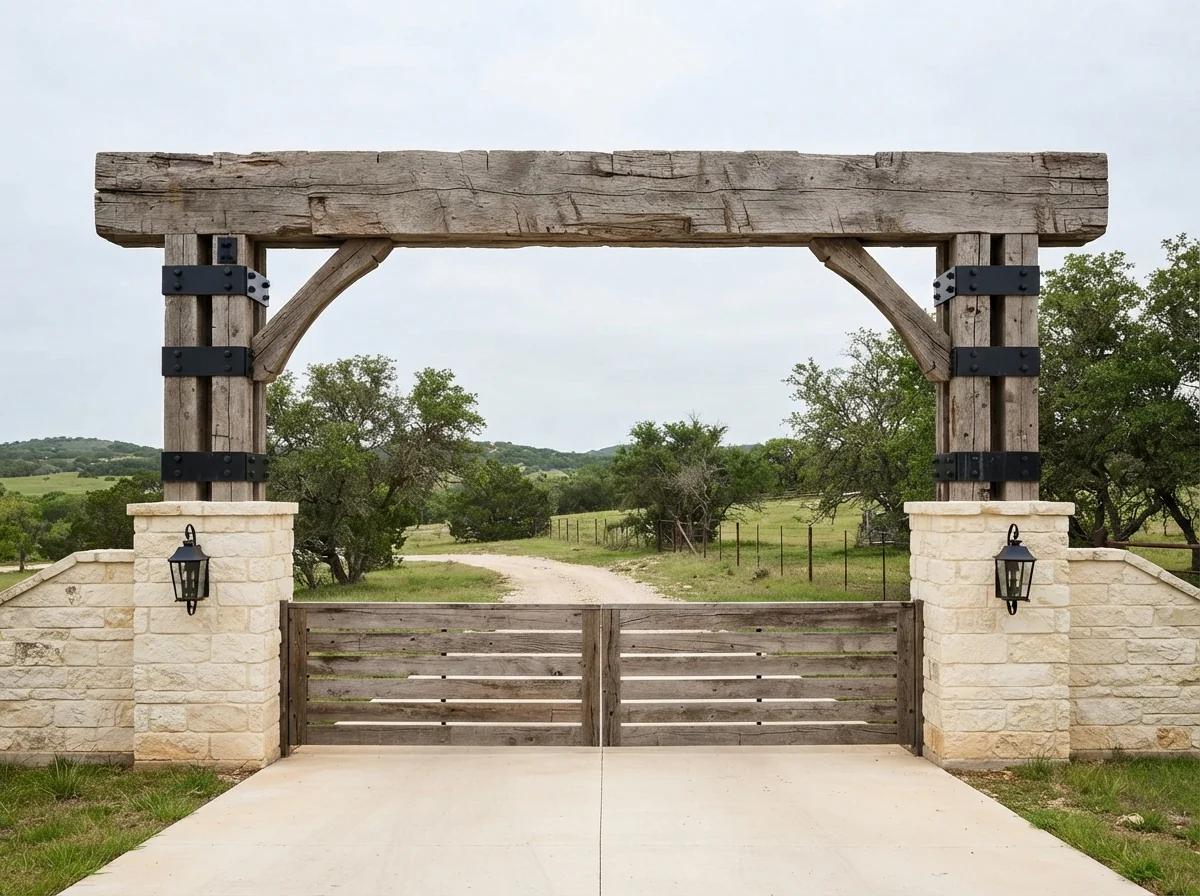
Ranch entrances, gated drives and development entries in heavy timber, built not to sag.
Explore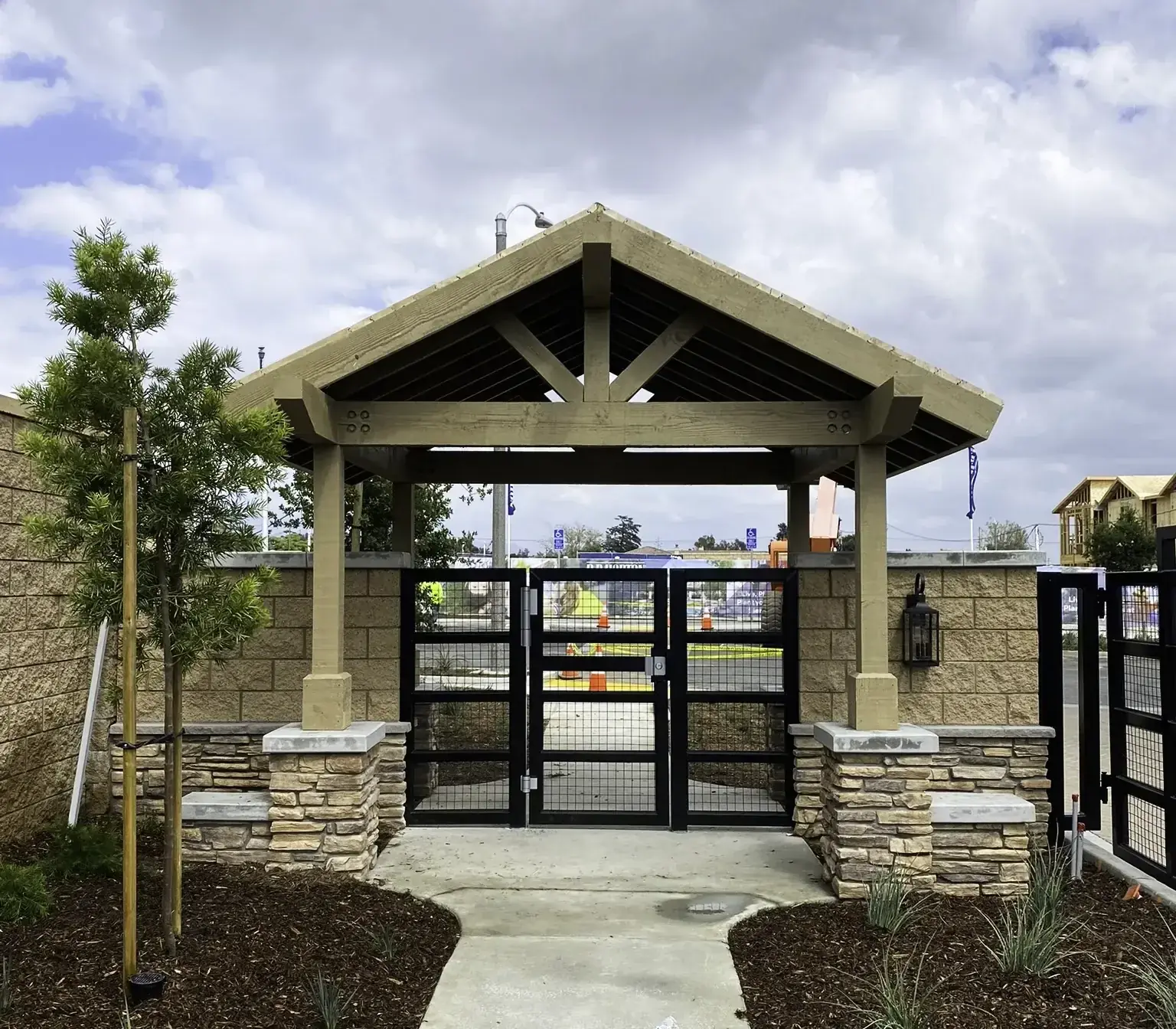
Heavy timber pavilions, cedar pergolas, attached covers and tongue-and-groove ceilings.
Explore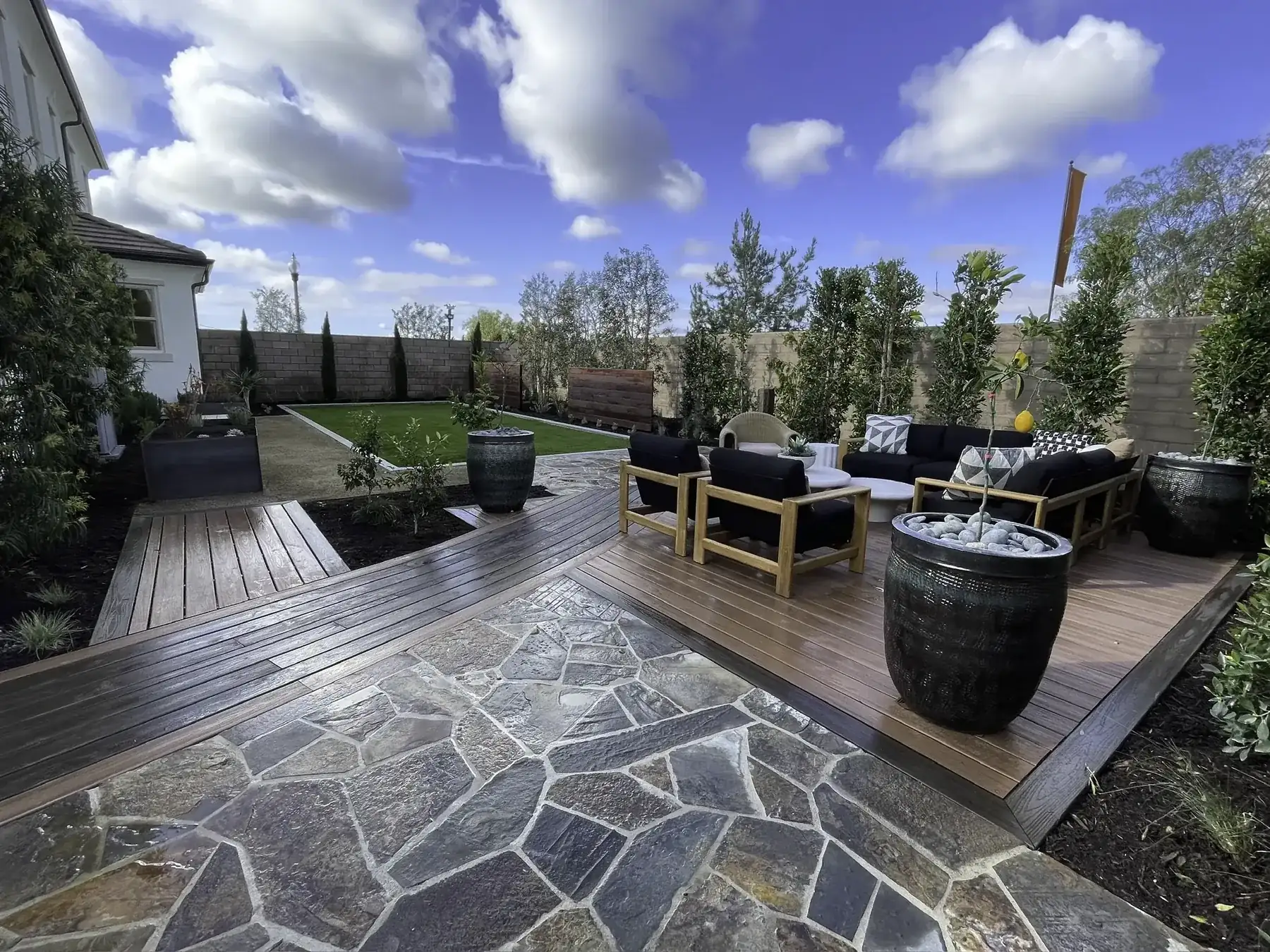
Cedar, ipe, composite and multi-level builds, including radius and curved work.
Explore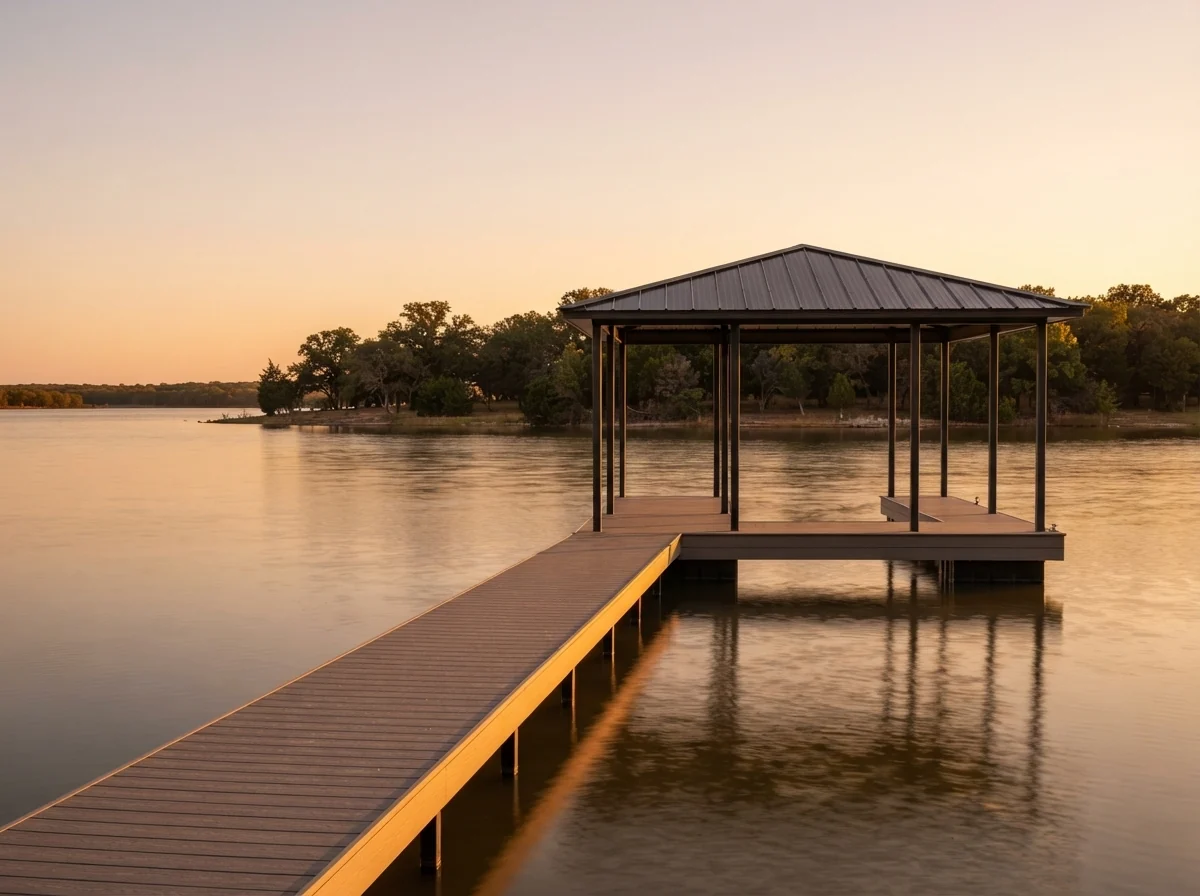
Re-decking, structural repair, storm damage and interior remodeling on docks of all types.
Explore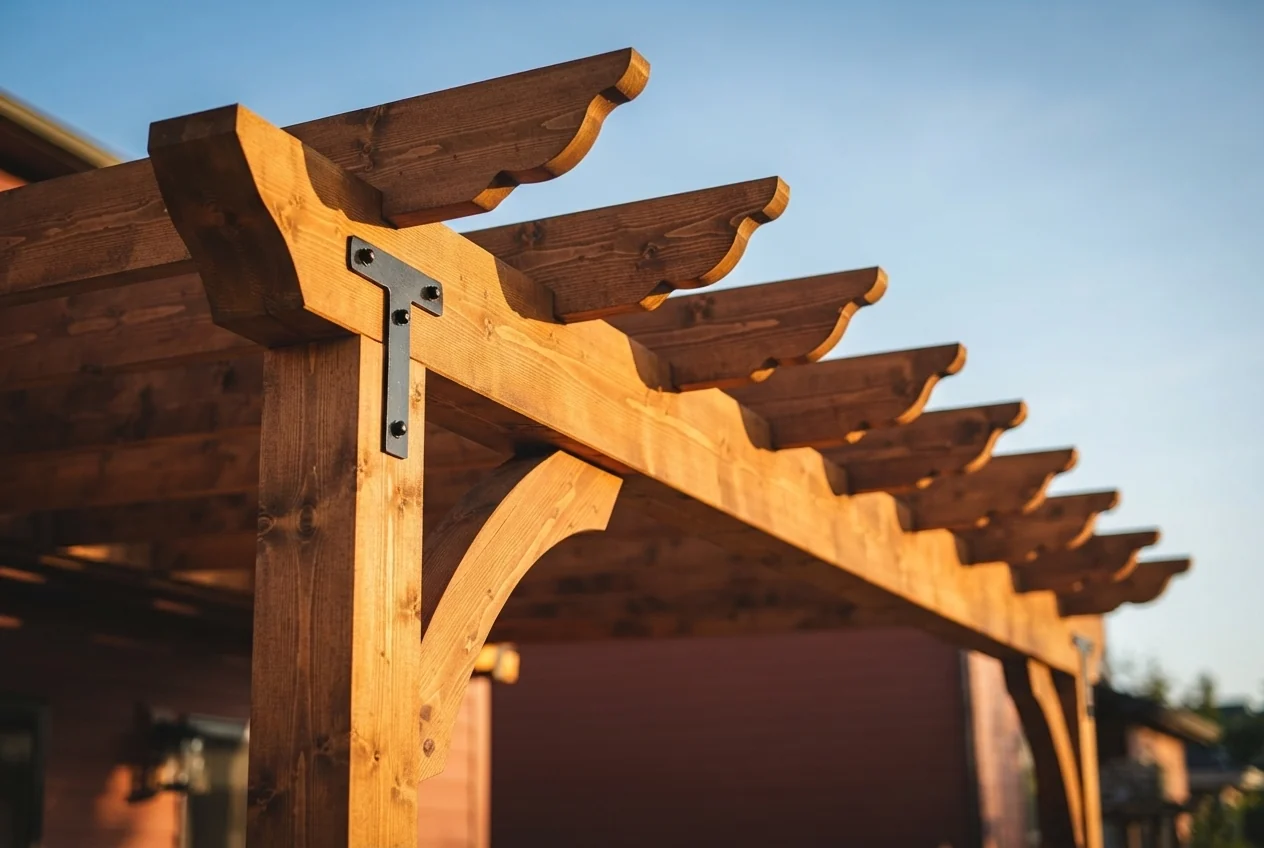
Hand cut corbels, knee braces and custom box beams for homeowners, contractors and lumberyards.
Explore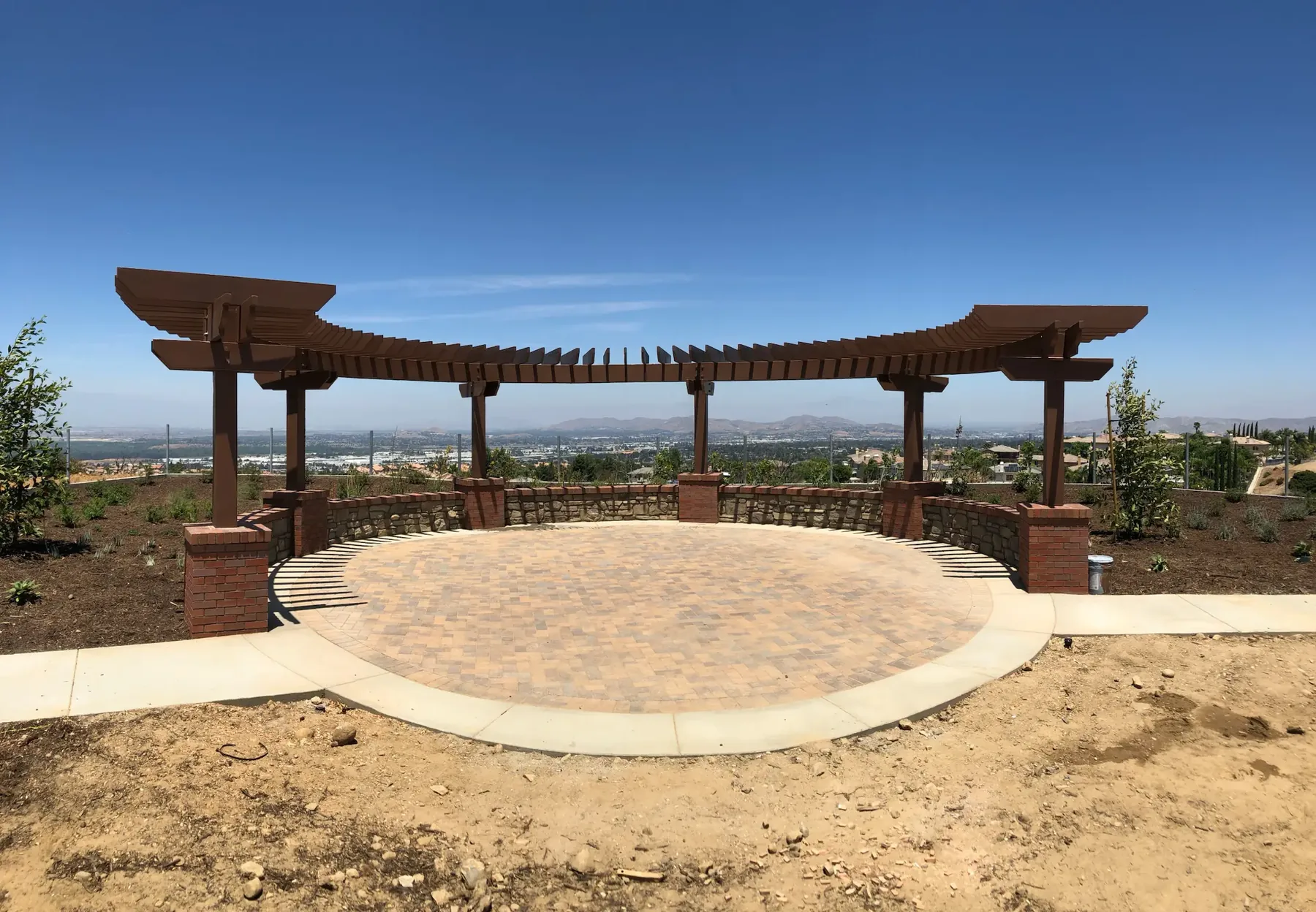
A site visit, a scaled drawing and a fixed quote, at no cost and with nobody chasing you afterwards.