
On this page
Almost every quote you get for a deck, a patio cover or a pavilion will mention permits in a single line. That line is doing a lot of work, because the rules genuinely differ from city to city in ways that change what your project costs and how long it takes.
Here's what's actually published, city by city, with sources. Codes change — check the date at the top of this article, and confirm anything critical with your city before you rely on it.
Why this is more confusing than it should be
Three reasons.
First, there's no single DFW rule. Each municipality adopts and amends its own code, so neighboring cities can differ sharply.
Second, the trigger for a permit is usually a dimension, not a category. “A deck” doesn't need a permit; a deck above a certain height does. Miss the number and you miss the requirement.
Third, permits and HOA approval are entirely separate processes, and you can need both, either, or neither.
Dallas
Decks and platforms
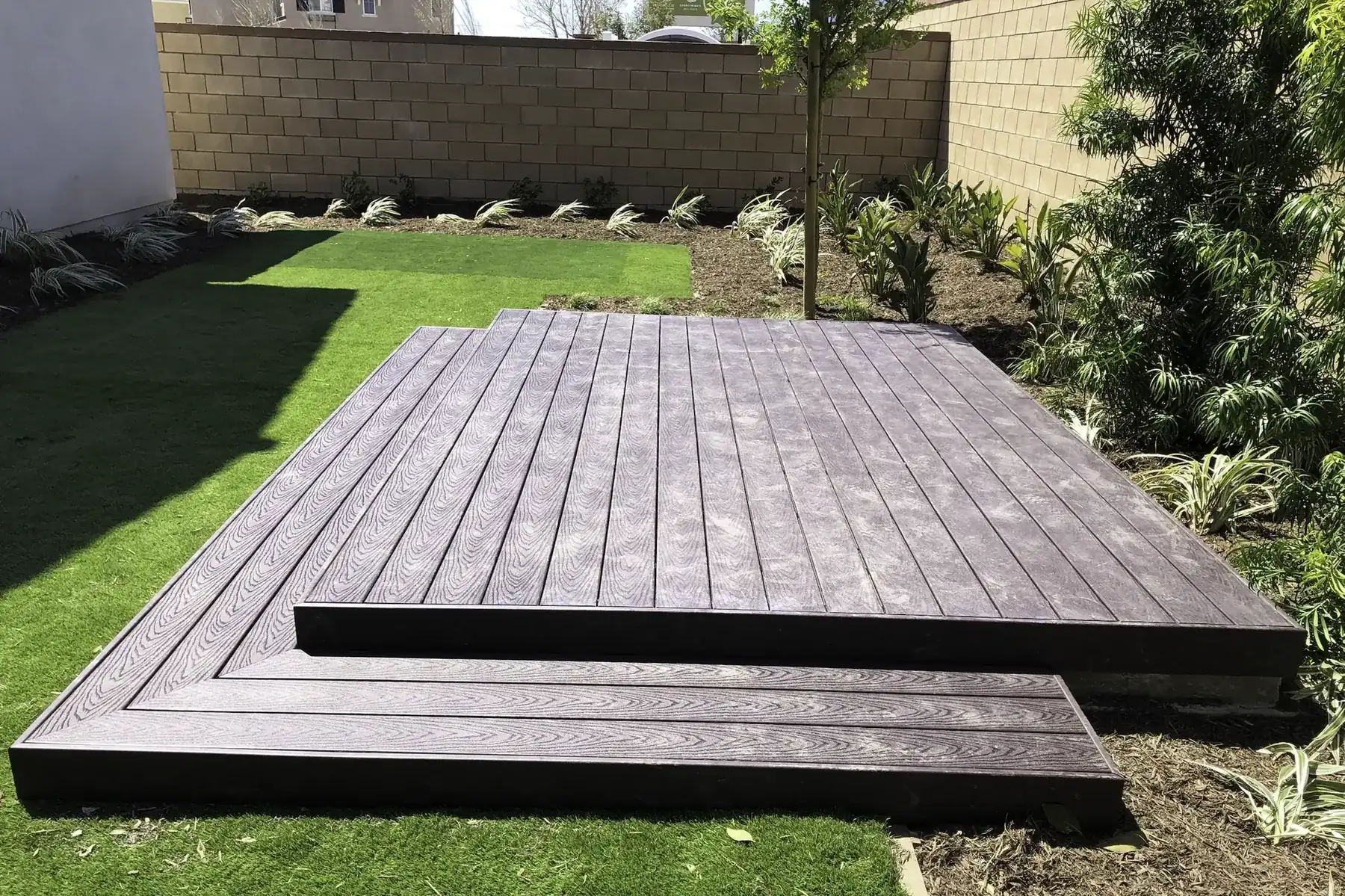
The City of Dallas exempts, on single-family and duplex property, “construction of decks, platforms, walks, or driveways not more than 30 inches above grade.”
Thirty inches is generous. A great many backyard decks sit under it.
Patio covers
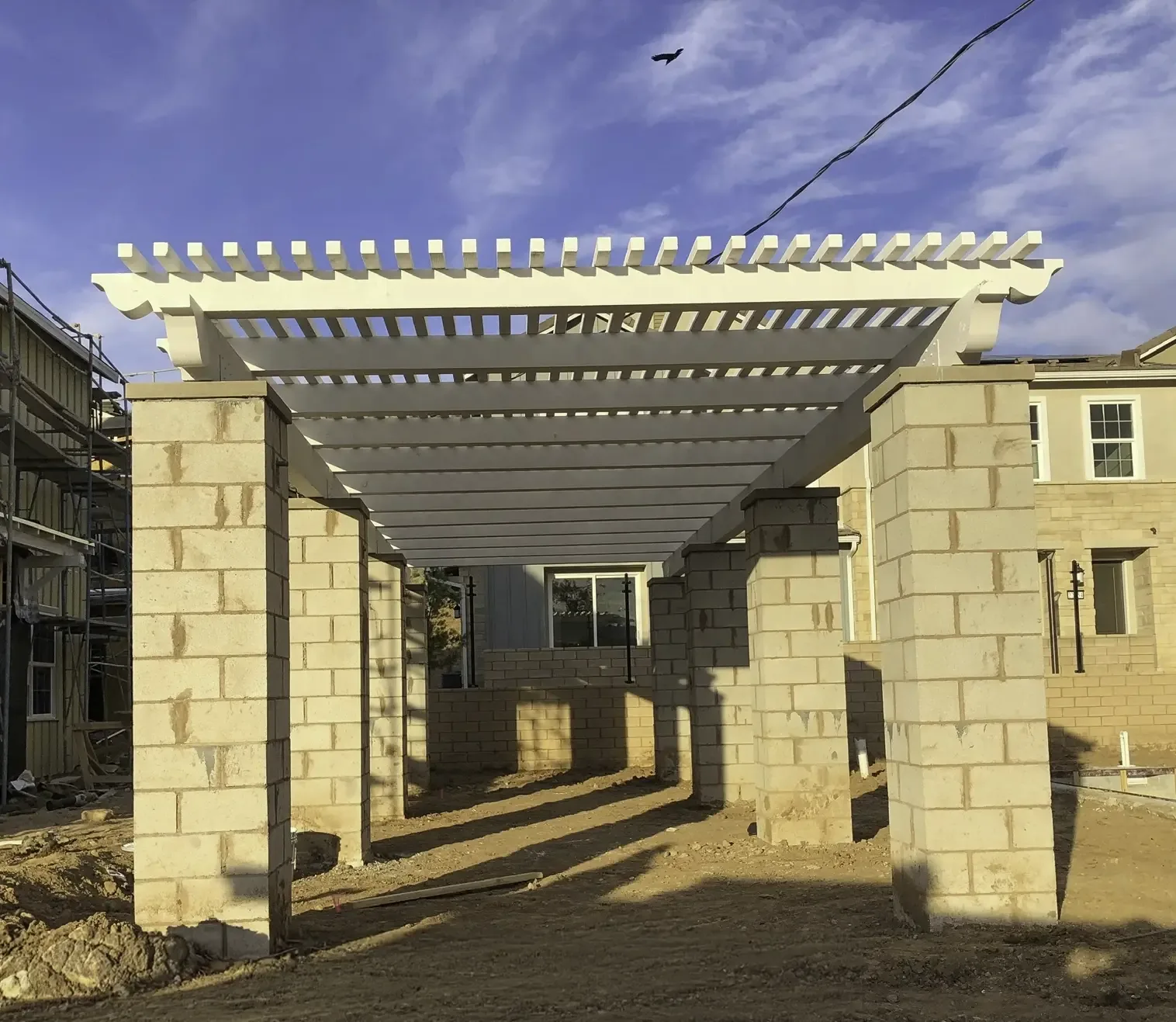
Patio covers under 200 square feet are exempt — but not if they encroach into a front or side yard setback. That second half is where people come unstuck.
Freestanding structures
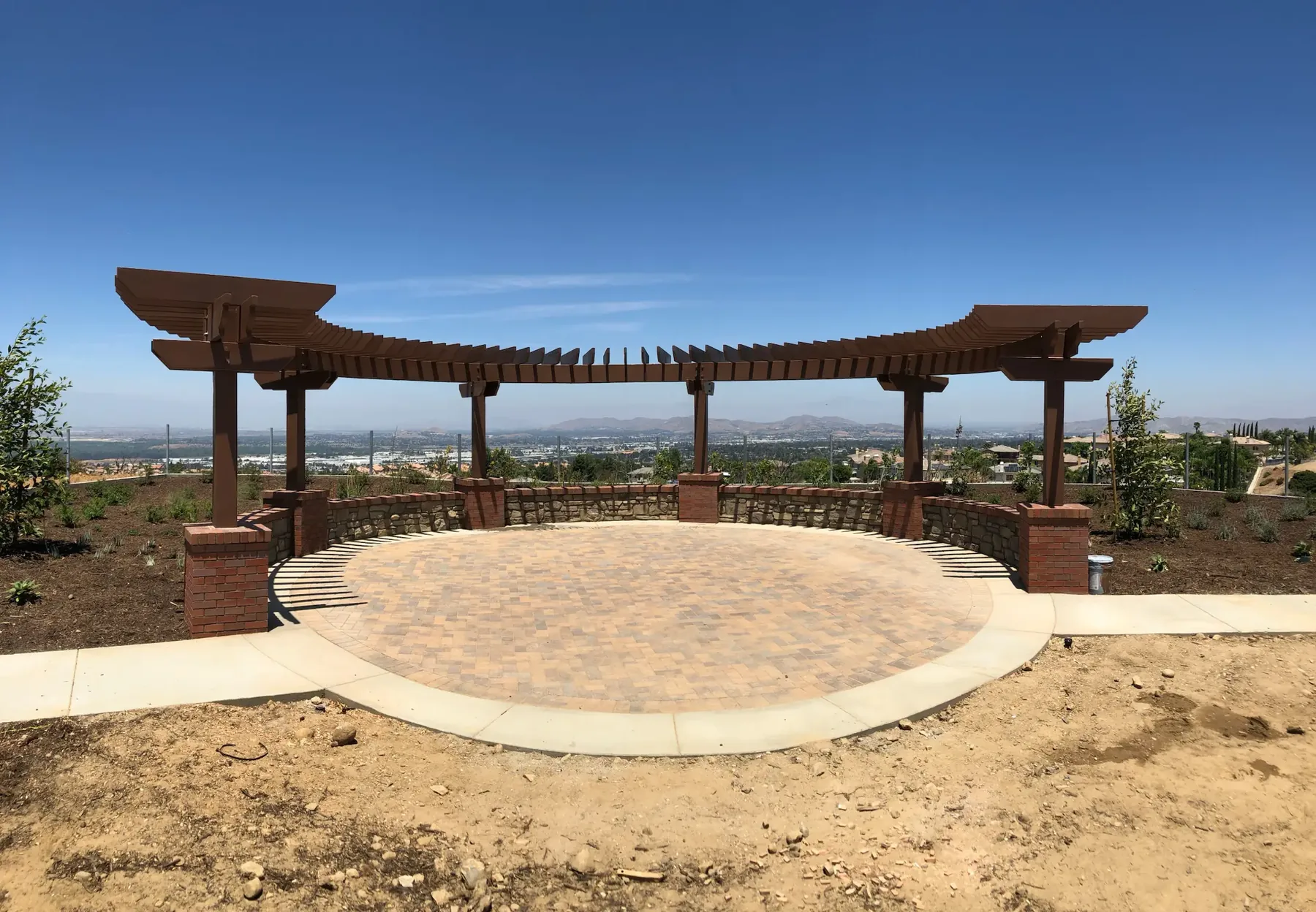
A pavilion, a cabana or any roofed structure that stands on its own is a building rather than a patio cover, and the 200 square foot exemption does not carry over to it. Anything with a roof, and anything carrying gas, electrical or plumbing out to it, should be assumed to need a permit until the city says otherwise.
Source: Dallas Building Inspection FAQs
Fort Worth
Decks
Fort Worth is dramatically stricter. Its permit guidance requires a permit for decks over 6 inches above grade.
Six inches. Against Dallas's thirty. If you live in Fort Worth, assume your deck needs a permit.
Covered structures
If a deck over six inches needs a permit, a roof over that deck is not going to need less scrutiny. Assume any covered structure in Fort Worth is permitted work, and expect the review to look at the structural connection as well as the footprint.
Source: Fort Worth — Nuts & Bolts of permits (PDF)
Plano, McKinney, Denton and the rest
We're not going to publish numbers for cities we haven't verified against a primary source, because a wrong permit figure is worse than no figure.
What holds true across the metroplex:
- Height and location on the lot determine whether a permit is needed — front yards are almost always restricted more tightly than rear
- Anything with a roof, and anything involving gas, electrical or plumbing, is far more likely to need a permit
- Freestanding structures are usually treated as buildings, with setback and lot coverage rules that attached covers escape
- Long clear spans and tall posts often trigger a request for stamped engineering before the permit is issued
- Several cities require contractor registration before permits can be issued
We confirm the rules for your specific address as part of quoting. That's not an upsell — it's the only way to give you a number that doesn't move.
HOA approval is a separate thing
Your city permit and your HOA's architectural review are unrelated processes with unrelated timelines, and passing one tells you nothing about the other.
HOAs commonly have opinions about structure height and roofline, stain and finish color, materials, and where things sit relative to easements. Many meet monthly, which makes review the longest single step in an otherwise quick project.
Start the HOA submission early — earlier than feels necessary.
How long this actually takes, and what makes the difference
Cities publish a review standard, and it is worth knowing what yours says before you accept anyone's timeline. Fort Worth, for instance, publishes a seven business day target for residential building permit review once a complete application is in. That is the clock starting from complete, which is where most of the real delay lives.
Turnaround varies widely across the metroplex and it changes with workload, so the honest answer is to check the current figure for your city rather than trust a number in an article. What does not vary is what causes a resubmittal: a site plan that does not show setbacks and easements, no elevation or section for a covered structure, missing footing detail, and no engineering where the span or the wind load called for it. Each round trip is another full review cycle, which is how a seven-day review becomes six weeks.
Two things sit outside the city's clock entirely. An HOA is not a permit — architectural committee approval runs on its own schedule, often monthly, and it can refuse something the city would happily permit. Contractor registration is separate from your permit, and in a number of DFW cities a builder who is not registered with that city cannot pull it at all. Ask your builder which cities they are registered in before you sign, not after.
Who pulls the permit
It should be your contractor, and it should be stated in your quote.
If a builder asks you to pull the permit as the homeowner, understand what that means: in most jurisdictions the permit holder carries responsibility for the work meeting code. Homeowners can legitimately pull permits for their own property, but doing it because a contractor can't or won't is a different situation, and worth asking about directly.
The short version
| City | Deck permit needed | Patio cover / structure |
|---|---|---|
| Dallas | Over 30 in above grade | Covers under 200 sq ft exempt, unless they encroach a setback |
| Fort Worth | Over 6 in above grade | Assume permitted; confirm before quoting |
| Elsewhere in DFW | Confirm with the city | Confirm with the city |
And the one-line answer to the question in the title: probably, and it depends on how high it is and which side of a city boundary you're on. We check it for your address before we quote, and we pull it as part of the job.